
4 Tips To Keeping Your Jackson's Chameleon Happy
Jackson's chameleon has become one of the favorite species kept as pets by enthusiasts. Here are four tips that make a real difference day to day.
Chameleon Care & Resources
My knowledge and research, so you can give your chameleons the healthiest life. Heart lifting stories and information about amazing chameleons, written by Buck Moore.
There are more than 200 different chameleon types on the planet. These are the guides and species profiles keepers come back to.
Jackson's chameleon has become one of the favorite species kept as pets by enthusiasts. Here are four tips that make a real difference day to day.
Your scaly buddy deserves nothing but the best in life. A closer look at the feeder insects that are the cream of the crop for chameleon diets.
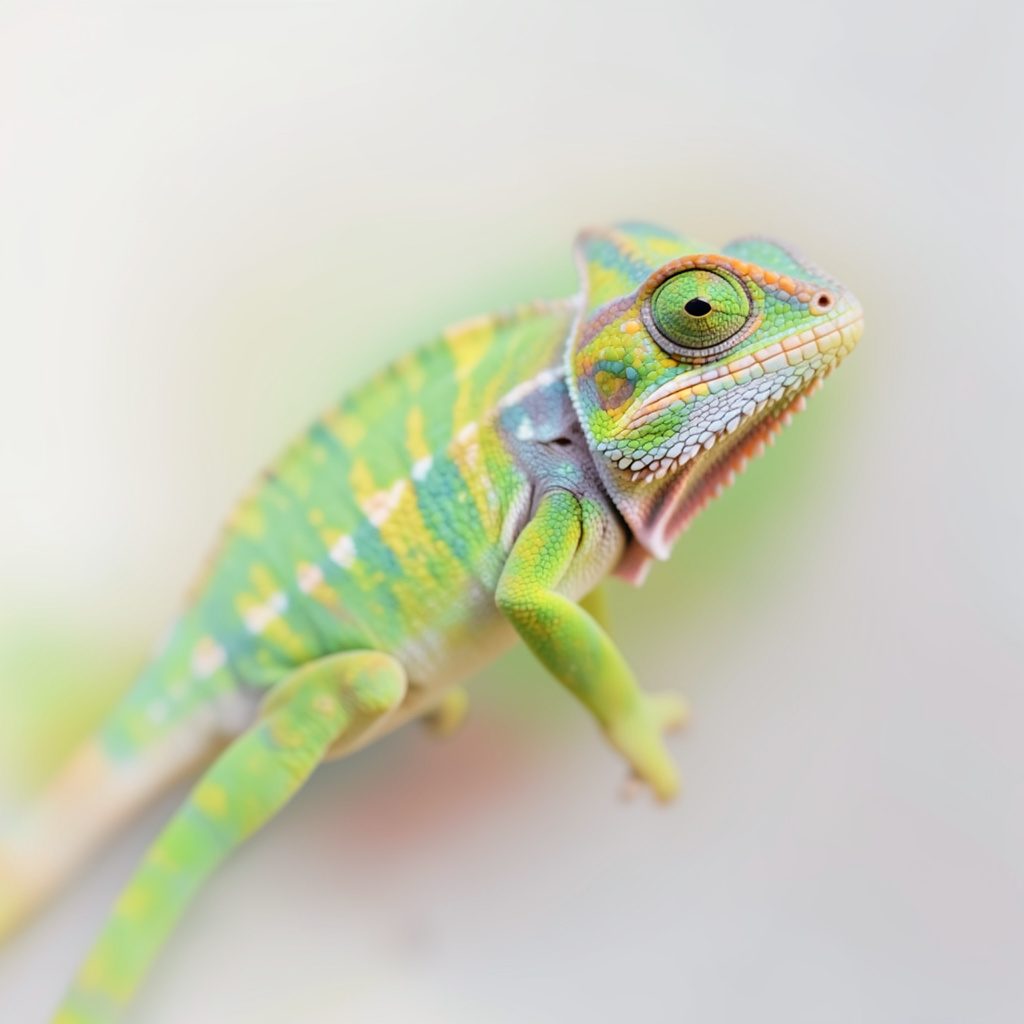
The Hooded chameleon is naturally found in northeast Madagascar and is considered somewhat rarer than the 200-some other chameleon types.




Hi, I am Buck Moore. I bought my first chameleon back in my teen years, and ever since then I have been fascinated with these amazing pets, long before chameleon keeping was an established hobby in America or Europe.
Sadly, I have lost a few chameleons and had to learn the hard way how to keep chameleons healthy and happy. From that time, I have bred many species in the States, South Africa, Malaysia and the UK.
The purpose of this blog is to provide information about these wonderful creatures so they can thrive in your care. Read more in the About section.
Avoid the number one cause of death of chameleons in captivity.
Get Your FREE Chameleon Life Saving EbookHabitat and diet make up most of a chameleon's day. Browse the shelves and the feeder guides before you buy anything.
Plus reviews of the 3 best reptile humidifier misters, 4 best stackable reptile cages, and a 10 gallon reptile aquarium for small chameleons.
Alongside do chameleons eat vegetables, why is my chameleon not eating, and do chameleons need vitamin A.
Four simple steps to a better-informed setup.
Chameleons are among the most fascinating reptiles kept in captivity, and the difference between a thriving pet and a struggling one often comes down to a few fundamental husbandry choices. The single biggest factor keepers miss is how enclosure conditions affect a chameleon's overall health, from hydration and humidity to the gradient between warm basking zones and cooler shaded perches that let a lizard regulate its own body temperature.
Species matters more than most beginners expect. A veiled, or Yemen, chameleon and a Jackson's chameleon have different temperaments, different dietary needs, and different sensitivities to heat and humidity. Panther chameleons bring their own considerations as well, and choosing a species that suits your space, climate, and daily routine is the first real step toward keeping a chameleon healthy for many years rather than only a few months.
Food is where many new keepers go wrong without realizing it. A varied diet built around properly sized live insects, supplemented with vitamins and minerals at sensible intervals, does far more good than feeding a single staple prey item generously. Watching how your chameleon hunts also reveals a great deal about its overall condition, appetite, hydration, and whether something in the environment needs adjusting.
Cages and accessories deserve careful thought before they are purchased. Tall, well-ventilated enclosures with live branches, appropriate lighting, and a dependable humidifier create the vertical, layered environment chameleons instinctively prefer. Toys and enrichment objects encourage natural climbing and foraging behaviors, keeping a lizard mentally engaged as well as physically comfortable in its setup.
Long-term care also means learning to read the small signals. Color shifts, posture changes, sunken eyes, or unusual lethargy can appear long before anything looks seriously wrong, and a keeper who understands those cues can act early. Written guidance, keeper stories, and shared experience from other owners make it easier to build that knowledge, so exploring reliable resources is one of the best investments you can make in your chameleon's future.
Why is my chameleon changing color? Do chameleons make noise? What is the smallest chameleon in the world? What is a stump tailed chameleon? The facts section collects the questions keepers ask most.
You can also read what other chameleon owners and enthusiasts are writing about in the latest articles.

Heart lifting stories and information about amazing chameleons.
“The Best Chameleons For Beginners — and what to know before you buy.”
Featured Post
“How Do I Know If My Chameleon is Happy? Signs to watch for every day.”
Chameleon Care
“5 Best Practices for Owning a Chameleon, written from real experience.”
Chameleon Facts